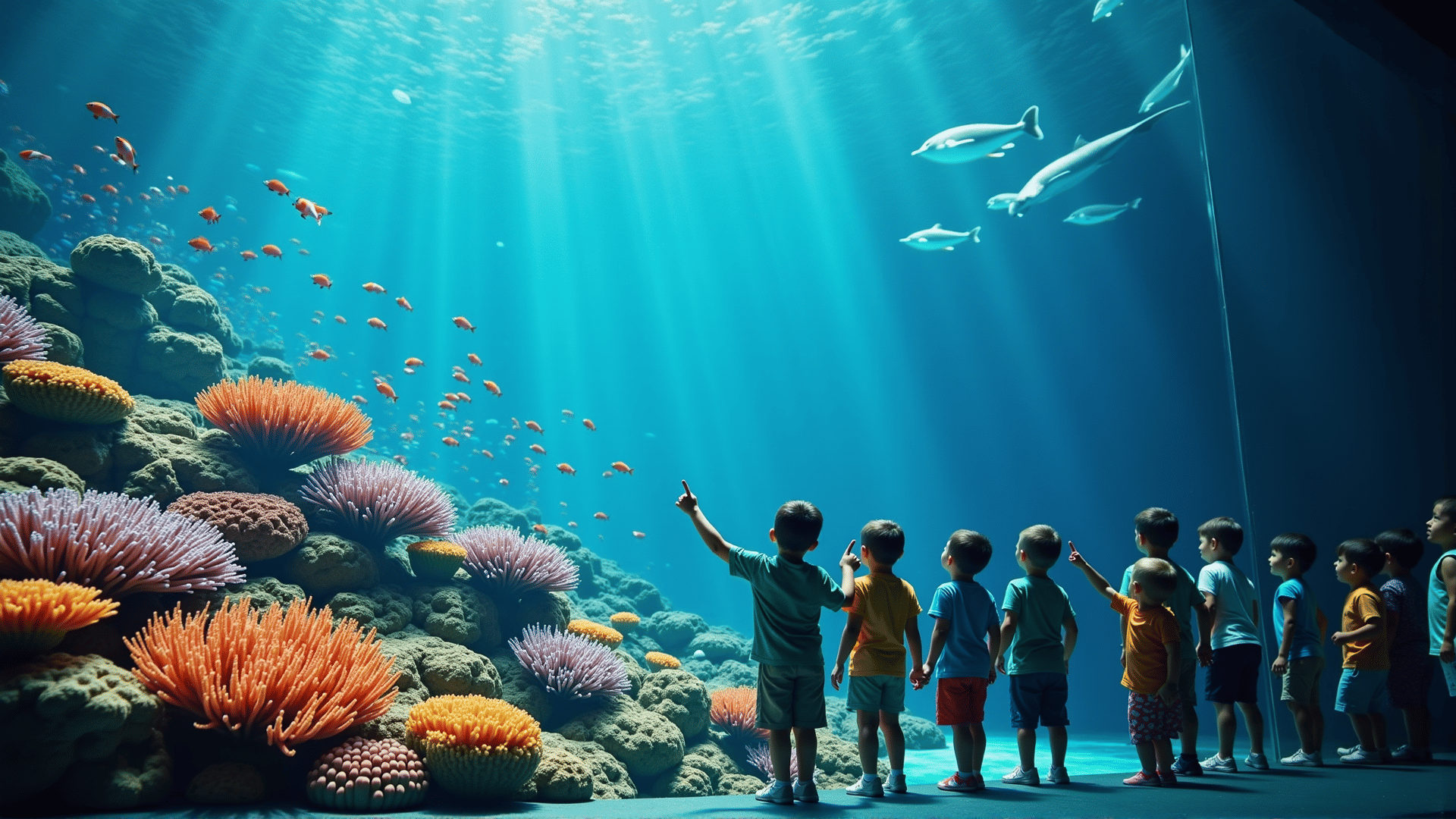
Coral reefs are often referred to as the rainforests of the sea, and for good reason. These vibrant underwater ecosystems are home to an astonishing variety of marine life, providing food, shelter, and breeding grounds for thousands of species. They are the silent guardians of our oceans, playing a crucial role in maintaining oceanic biodiversity. However, with the growing threats of climate change, pollution, and overfishing, these vital reefs are under immense pressure. Through dedicated coral conservation initiatives, we can work to preserve these indispensable ecosystems.
Coral reefs cover less than 1% of the ocean floor, yet they support more than 25% of all marine species. These ecosystems are crucial for several reasons. Firstly, they provide habitat and shelter for many marine organisms. Fish, crustaceans, and other aquatic life forms depend on the complex structures created by corals to hide from predators and hunt for food. Without reefs, the biodiversity of the ocean could be drastically diminished.
Moreover, coral reefs are essential for coastal protection. They act as natural barriers, absorbing the energy of waves and storms, thereby reducing the impact of tsunamis, hurricanes, and tropical storms on coastal communities. By breaking the force of incoming waves, reefs help to prevent erosion and protect shorelines from damage.
In addition to their ecological importance, coral reefs have significant economic value. They are a major attraction for tourists worldwide, contributing billions of dollars to global economies through tourism, fishing, and pharmaceuticals. The medical field has also benefited from reefs; many coral species contain compounds used in developing treatments for cancer, arthritis, and other diseases.
Our coral conservation initiative aims to address the threats facing these ecosystems and promote their health and resilience. One of the primary challenges is tackling coral bleaching, a phenomenon where corals lose their vibrant colors and turn white due to stress factors such as rising sea temperatures, pollution, and ocean acidification. This process, if not reversed, can lead to the death of corals and the collapse of the ecosystems dependent on them.
Our initiative focuses on both short-term actions and long-term strategies. In the short-term, we aim to rehabilitate damaged reefs through coral gardening and transplanting programs. Volunteer divers and marine biologists work together to collect healthy coral fragments, nurture them in nurseries, and then transplant them back onto degraded reefs. This direct intervention helps accelerate reef recovery and restores habitat complexity.
For the long-term, our efforts are directed at reducing the human impact on coral reefs. We promote sustainable fishing practices, advocate for the reduction of carbon emissions to combat ocean warming, and strive to eliminate sources of pollution. Public education and community engagement are also critical components of our initiative. By fostering awareness and encouraging responsible behavior, we can enlist the support of local communities and empower them to become stewards of their own marine environments.
Successfully conserving coral reefs requires a multifaceted approach, combining science, policy, and grassroots action. It calls for collaboration between governments, NGOs, scientists, and local stakeholders. Together, we can implement effective conservation strategies, provide financial resources for restoration projects, and create marine protected areas that allow reefs to recover and thrive.
The preservation of coral reefs is not just about saving beautiful environments or individual species; it's about safeguarding the health of our planet. These ecosystems play an integral role in maintaining the balance of marine life, and their decline signals a warning for the world's oceans.
By joining us in our coral conservation initiative, you are contributing to a global effort to protect these silent guardians of the sea. Let us work together to ensure that future generations can marvel at the beauty and diversity of coral reefs, and benefit from the countless ecological services they provide.